It's About Living Well
Last week, we talked about attitude and optimism as powerful contributors to longevity. And it’s true—how we think matters.
But this week, I want to talk about something just as important:
The quality of the years we’re living.
Because what good is living to 90 or 100… if you are in too much pain to enjoy your life?
As someone living with Ehlers Danlos Syndrome (EDS), I’ve had a slightly unconventional introduction to “age-related” issues.
EDS affects connective tissue, which means things like joint stability, digestion, and recovery don’t always follow the standard playbook. And while that definitely comes with its challenges…
My first cortisone shot in a joint - age 13.
My first back surgery - age 20.
Early onset arthritis and long-standing relationship with joint pain, inflammation, and instability.
You could say my joints like to keep things… interesting.
EDS has also given me something incredibly valuable:
Perspective - and a head start on learning how to take care of my body.
What I’ve learned, and what you can use now, are the habits many people don’t think about until their 50s, 60s or sometimes later.
I had to start building those habits in my 20s.
And the good news is—you don’t have to wait. Doing these things now will pay off exponentially in your later years.
Here’s where I’d start:
Train your structural muscles, not just the ones you want to see in the mirror.
It’s easy to focus on what you can see, but the muscles that matter most for longevity?
Stabilizers
Deep core muscles
Postural muscles
These muscles:
Keep your joints supported
Maintain spacing and alignment
Reduce wear and tear over time
Think of them as your body’s internal support system—they’re not flashy, but are absolutely essential.
Core Strength Is Non-Negotiable
And no, I don’t mean doing endless crunches. Washboard abs may be nice to look at, but true core strength is about:
Stability
Control
Protection of your spine and internal organs
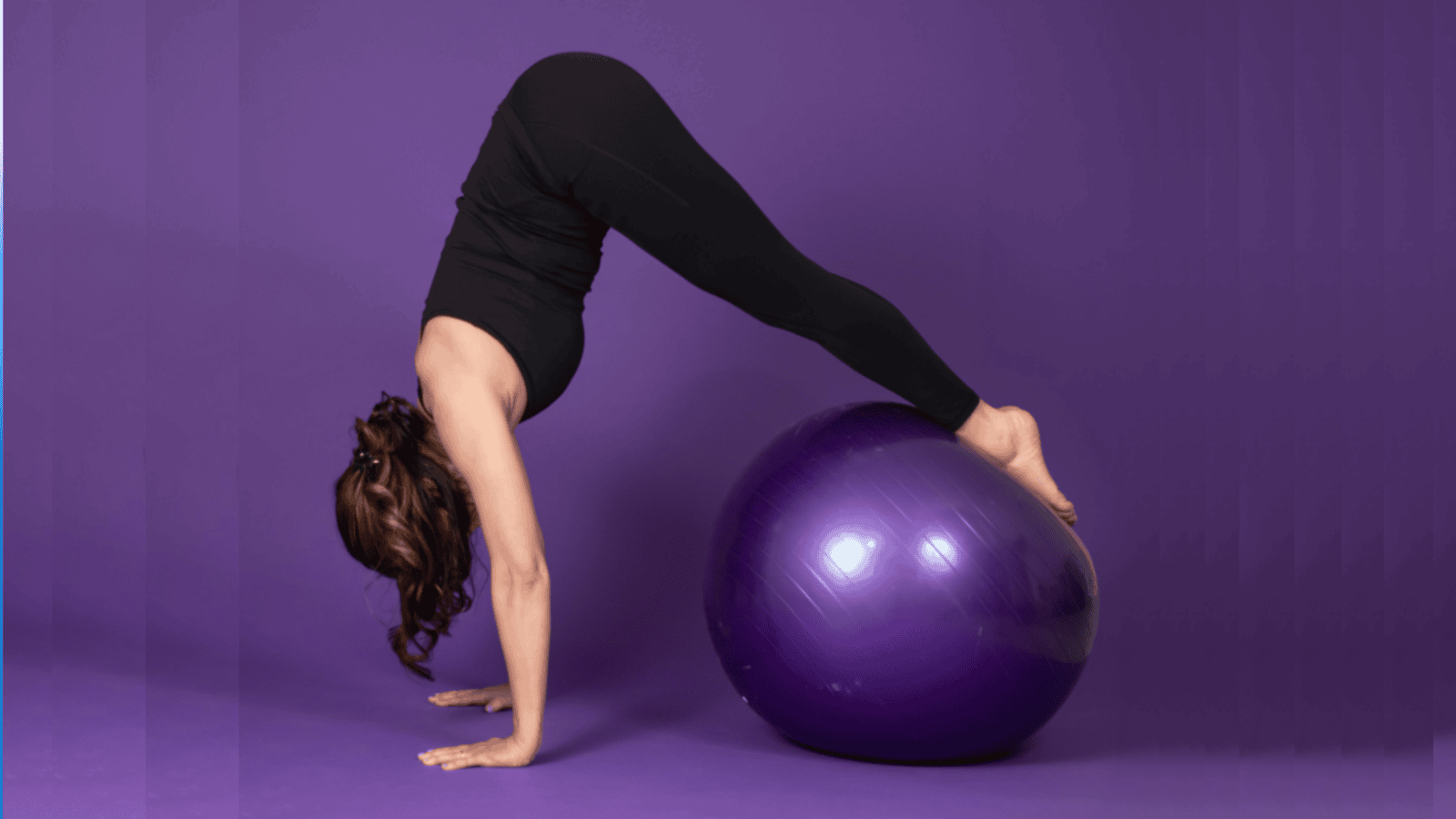
Focus on pilates style movement, coordinated breath work, and stability against resistance.
A strong core is what allows everything else to function better - especially as life, and gravity, continue to do their thing.
Posture Matters More Than You Think
Posture isn’t about looking “perfect.” It’s true purpose is:
Joint alignment
Efficient movement patterns
Reducing unnecessary strain
Small adjustments in how you sit, stand, and move can make a massive difference over time.
Respect the Power of Pacing
This one is huge - and very often overlooked.
Pushing through fatigue might feel productive in the moment… but it usually comes at a cost later.
Pacing means:
Knowing when to push
Knowing when to pull back
Finishing your day with energy - not exhaustion
Because feeling good at the end of each day?That is quality of life.
And here’s the bigger picture… Taking care of your body isn’t just about avoiding pain, it’s about creating a life where:
You feel strong and capable
You can move freely
Your body is able to support and sustain the lifestyle you want to live
If my experience with EDS has taught me anything, it’s this:
You don’t have to wait for something to go wrong to start doing things right.
And while I wouldn’t have chosen the early challenges…
I’m grateful for what they’ve taught me, and for the ability to help others stay ahead of the curve.
Here’s to not just more years in life… but more life in your years!
Xox,
Kim
P.S. May is Ehlers-Danlos Syndrome (EDS) Awareness Month. EDS is a group of rare genetic connective tissue disorders with several subtypes, and it can affect many systems throughout the body. No two experiences look exactly the same.
I feel fortunate to have been diagnosed at a relatively young age and to have a supportive medical team helping me proactively manage symptoms. Many others, however, face long diagnostic journeys and limited support.
If you’d like to learn more, I encourage you to visit the Ehlers Danlos Society website